Case study 6
Why the climate critique of livestock programmes is wrong in the places that matter most
Most livestock productivity programmes face the same challenge: improve animal health, increase productivity, grow herd sizes — increase methane emissions. Most programmes resolve this tension with greenwashing. A recent rapid market systems assessment found a more honest answer.
The baseline nobody is measuring
In degraded smallholder systems, animals consume feed and emit methane for extended periods before reaching market weight — or die before producing any output at all. Emissions are being generated with no productive return. The FAO Pathways Towards Lower Emissions framework is clear: in high-mortality, low-productivity systems, improving animal health and feed quality reduces absolute emissions, not just intensity. Fewer unproductive animal-days. Same output. Lower emissions.
The industrial feed trap
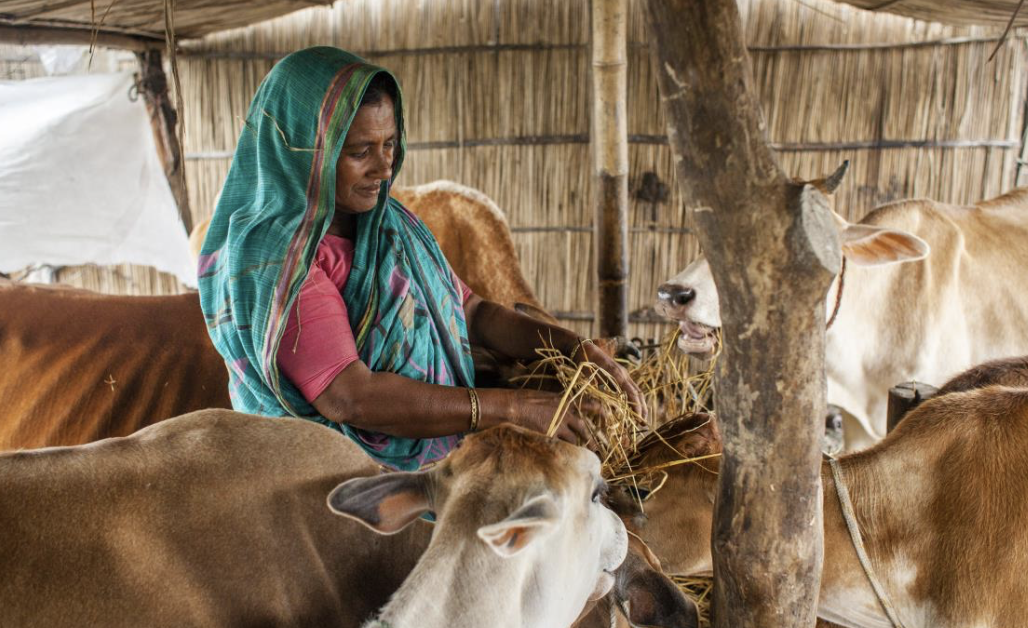
In the assessed market, the overwhelming majority of producers do not use industrial or concentrate-based feed. The barrier is cost not availability, not awareness. The system runs on natural pasture, crop residues, and locally produced fodder. Industrial feed carries embedded fossil fuel costs in production and transport. It exposes smallholder producers to volatile global commodity markets. Promoting it increases emissions, increases costs, and increases fragility simultaneously. Natural fodder improvement – silage, ration management, fodder cultivation is the right intervention. Better feed at lower cost. No industrial dependency. No embedded emissions.
The argument the sector is not making
In any low-productivity smallholder system where feed stress is the primary constraint, the feed base is natural, mortality is high, and disease is predominantly vaccine-preventable – the standard climate critique does not hold. The intervention that improves productivity reduces emissions. The donor does not have to choose.
Feed system investment in these contexts is simultaneously the highest-return economic intervention, the most defensible climate intervention, and the entry point producers themselves consistently identify as the priority.
Rapid Market Systems Analysis delivers this quality of insight — alongside a full programme design, theory of change, and log frame — in 30 days. If your next assignment cannot wait six months for an answer, let’s talk.